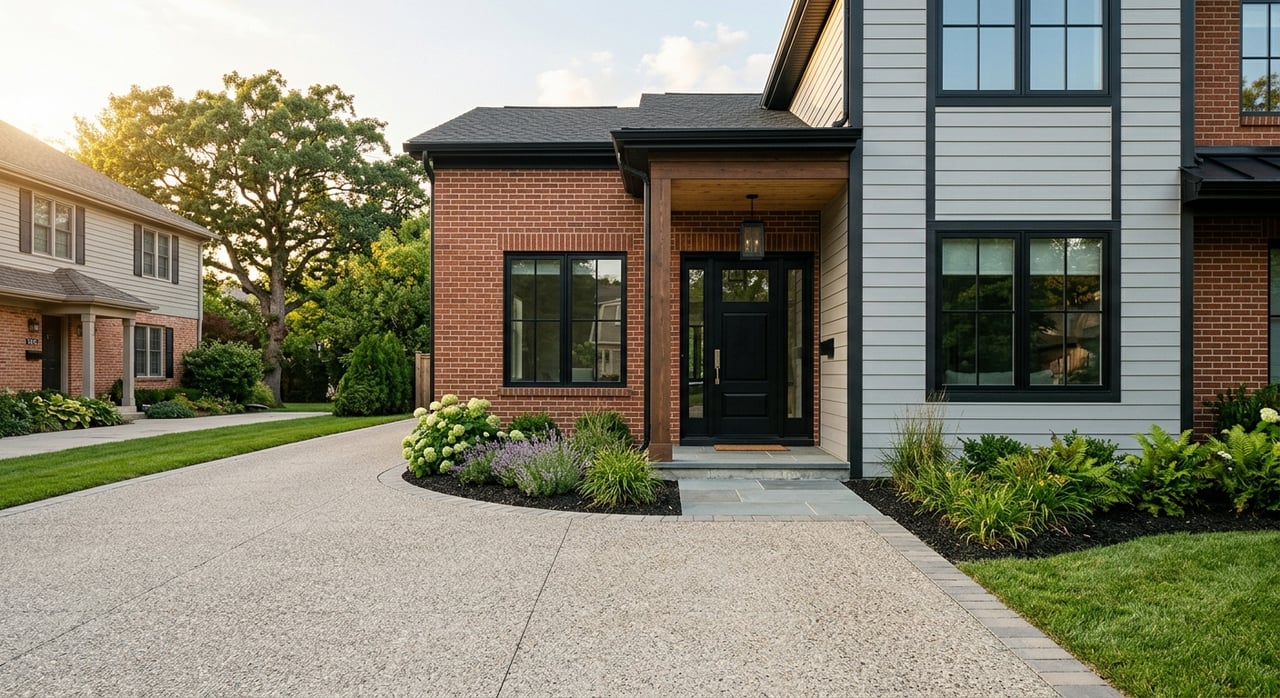
First-Time Homebuyer Guide for Buying in Germantown
May 28, 2026
May 28, 2026
If you are buying your first home in Germantown, it can feel like the process moves from exciting to overwhelming fast. You might start with late-night scrolling and saved listings, then suddenly realize the market rewards buyers who are prepared, not casual. The good news is that with the right plan, you can move from online search to closing day with more clarity and less stress. Let’s walk through what that looks like in Germantown.
Germantown is a competitive market, and that matters from day one. Redfin’s March 2026 data shows a median sale price of $465,000, homes selling in about 28 days, and hot homes going pending in around 12 days. Homes also received about three offers on average, with 43.9% selling above list price.
For you as a first-time buyer, that means browsing should quickly turn into a real strategy. It does not mean you need to rush into the wrong home. It means you should be ready to act when the right one appears.
Because prices are in the mid-$400,000s and competition is still strong, it can help to compare multiple property types. Condos, townhomes, and smaller detached homes may each offer a different path into the market. Looking at them side by side can give you more flexibility.
Before you fall in love with a listing, get clear on what you can comfortably afford. The purchase price is only part of the picture. You also need to plan for closing costs, moving expenses, and the first repairs or updates that often come up after you move in.
The Consumer Financial Protection Bureau says typical closing costs run about 2% to 5% of the purchase price, before your down payment. It also recommends keeping an emergency cushion of about three to six months of expenses after setting aside cash for closing, moving, and initial repairs. That extra cushion can make your first year of ownership feel much more stable.
In Montgomery County, local taxes and fees are an important part of your budget. County guidance says the county transfer tax is typically 1% of the sale price. The recordation tax is $8.90 per $1,000, rounded up to the next $500, up to $500,000, and 1.35% above $500,000. An $890 exemption may be available for occupied residential property.
Maryland also gives first-time Maryland homebuyers a reduced 0.25% state transfer tax rate when buying a principal residence. That can help, but it is still important to build a full budget before you shop. A home that looks affordable online can feel very different once taxes, fees, and cash-to-close are added in.
One detail many first-time buyers miss is the property tax change after closing. In Montgomery County, the Homestead Property Tax Credit does not apply in the first year after purchase. That means your first tax bill can be higher than the seller’s.
County guidance also notes that some Germantown-area properties in the West Germantown development district may carry additional charges. This is one reason it helps to look beyond the list price and estimate the real monthly cost of ownership. A good buying plan accounts for the first year, not just the mortgage payment.
After settlement, if the home will be your principal residence, you should file the Homestead application and review your next tax bill carefully. It is a small step that can make a meaningful difference later.
In a market this competitive, preapproval is not just a nice extra. It is part of being ready. The CFPB notes that a preapproval letter is a tentative lender statement, not a guarantee, but sellers often expect to see one with an offer.
There is also a timing issue. Preapproval letters typically expire in 30 to 60 days. That is why many buyers wait until they are ready to search seriously instead of getting one too early.
If you are exploring Maryland Mortgage Program options, timing matters there too. MMP says borrowers must complete an approved homebuyer education class before loan approval, and the certificate must be issued within 12 months before settlement. MMP also recommends taking the class before signing a contract.
Not every program uses the same definition of a first-time buyer. This can affect what help you qualify for, so it is worth checking early instead of assuming all programs follow the same rules.
For example, the Maryland Mortgage Program defines a first-time homebuyer as someone who has not owned residential property for three years or more. Montgomery County’s MPDU program uses a five-year no-ownership rule. If you are comparing assistance options, these details matter.
If cash-to-close is your biggest concern, you may have more options than you think. Maryland and Montgomery County both offer programs that can help qualified buyers reduce upfront costs.
According to MMP, most of its first-time and repeat homebuyer loan products offer down payment assistance. Its Montgomery County specialty products include the Montgomery Homeownership Program, which can pair an MMP first mortgage with a zero-percent second mortgage of up to $50,000. That second mortgage is deferred until sale, refinance, transfer, or 30 years.
The Housing Opportunities Commission also offers county-specific support. These options include the Closing Cost Down Payment Assistance Program for eligible buyers who work in Montgomery County, purchase assistance up to 3% of the sale price, and McHAF loans of up to $25,000 or 40% of qualifying income.
These programs are not automatic, and eligibility rules vary. Still, they can make a real difference if you qualify, especially in a market where staying liquid after closing matters.
Online search is where many first-time buyers begin, but it works best when your filters match your real budget and goals. Once you know your price range, cash-to-close comfort level, and must-haves, your search becomes much more useful.
Try narrowing your search around a few practical questions:
This step can help you move faster when a strong listing appears. Instead of restarting the decision process each time, you already know what fits.
Once you start touring, speed matters. In Germantown, homes can move quickly, so it helps to go into each showing with a lender contact, a clear budget, and a short list of priorities.
That said, the goal is not to chase every listing. It is to compare homes in a way that protects your finances and your peace of mind. The best starter home for you is not necessarily the one with the lowest asking price. It is the one that fits your payment, expected taxes, likely repairs, and remaining cash after closing.
The CFPB specifically recommends comparing how much cash you can afford upfront, not just the monthly payment. That is especially important for first-time buyers who want to avoid feeling stretched right after move-in.
When you are ready to offer, preparation helps you stay calm. In a multiple-offer environment, it is easy to feel pressure. But this is where clarity matters most.
The CFPB advises buyers to update their budget as the search moves forward and think carefully about whether they still have enough money for closing, repairs, and other ownership costs. It also helps to decide in advance which protections are non-negotiable for you.
Common protections buyers consider include:
In competitive situations, some buyers see others waiving contingencies. That does not mean you should do the same. Your offer strategy should match your comfort level, finances, and risk tolerance.
If a home is priced well but needs light repairs or updates, there may be a path forward. The Maryland Mortgage Program offers FHA 203(k) Limited financing, which can roll eligible repairs into one loan.
MMP says this option allows up to $75,000 in repairs for eligible FHA case numbers. For some first-time buyers, that can open the door to a home with good long-term potential, even if it is not perfectly updated on day one.
This kind of option is not right for every purchase. But if you are willing to look beyond finishes and focus on value, it can expand your choices.
Once your offer is accepted, the process shifts from competition to verification. The inspection is a key part of that step. The CFPB says a home inspection should be independent and scheduled as soon as possible after a home is chosen.
It is also important to remember that an inspection is not the same as an appraisal. An appraisal helps the lender evaluate value. An inspection helps you understand the home’s condition.
If serious issues come up, those findings can support a request for repairs or a credit before closing. This is one of the reasons many first-time buyers want to preserve inspection protections when possible.
Closing is the final step, but it should not feel like a surprise. Before settlement, you will want to review your final numbers, confirm your funds, and make time for the final walk-through.
The CFPB recommends doing a final walk-through and taking time to review the legally binding documents at closing. The walk-through is your last chance to confirm that agreed repairs were completed and that nothing important was removed from the home.
In Montgomery County, transfer and recordation charges can be significant line items, even on a modest purchase. The state transfer tax is generally 0.5%, or 0.25% for first-time Maryland homebuyers buying a principal residence. The county transfer tax is typically 1% of the sale price, and recordation tax also applies to the recorded instrument.
Buying your first home in Germantown is not about being the fastest person online. It is about being prepared enough to act quickly without losing sight of your budget, your protections, and your long-term goals.
A patient, education-first approach can make a big difference in a market like this. When you understand your numbers, line up preapproval, explore assistance options, and tour with a plan, you put yourself in a much stronger position. That is how the process starts to feel less intimidating and more doable.
If you are thinking about buying in Germantown and want calm, clear guidance at every step, Eva Nihal can help you move from online search to keys with a strategy that fits your goals.
Stay up to date on the latest real estate trends.




With Eva, real estate is more than a transaction—it’s about building long-term relationships, creating opportunities, and helping people achieve their version of the American Dream.