Your North Potomac Lifestyle Guide to Daily Life
June 25, 2026
June 25, 2026
Looking for a suburb that feels calm day to day without leaving you far from errands, recreation, and weekend plans? North Potomac often stands out for exactly that balance. If you are trying to picture what life here really feels like, this guide will walk you through the parks, shopping patterns, and everyday routines that shape North Potomac living. Let’s dive in.
North Potomac is a residential community in Montgomery County with an estimated population of 23,922 and 8,144 occupied housing units. The area has a median age of 46.5, an average household size of 2.94, and a notably stable resident base, with 92.7% of residents living in the same home one year earlier.
It is also a highly educated and internationally connected community. According to the latest ACS profile, 77.2% of adults age 25 and older hold a bachelor’s degree or higher, 41.2% of residents are foreign-born, and 48.3% of people age 5 and older speak a language other than English at home. That mix helps shape a lifestyle that often feels established, home-centered, and globally minded.
One of the most important things to know about North Potomac is that it does not revolve around a traditional downtown. Montgomery Planning materials describe the area as an emerging community that developed from parts of Darnestown and Travilah, roughly between Darnestown Road and Travilah Road and bordering Rockville and Gaithersburg.
That planning history still shows up in daily life today. North Potomac tends to feel more residential-first than retail-first, which means your routine is often built around neighborhoods, parks, and nearby shopping centers rather than a single walkable commercial core.
For many residents, parks are part of the weekly rhythm in North Potomac. Whether you want a playground stop, a dog walk, a sports practice field, or a longer trail outing, outdoor access is one of the area’s clearest lifestyle strengths.
The Nancy H. Dacek North Potomac Community Recreation Center is one of the area’s biggest community anchors. It serves a 6.5-square-mile area with more than 8,000 households and about 24,000 residents.
The center offers programs for all ages, including seniors, along with a gymnasium, fitness room, kitchen, meeting rooms, and other community spaces. Right next door, Big Pines Local Park adds a playground, basketball court, two accessible tennis courts, and a picnic area.
For everyday living, that combination matters. It gives residents an easy place for classes, indoor activities, pickup recreation, and casual outdoor time without needing a long drive.
Several local parks support the kind of routines people actually use during the week. Aberdeen Local Park offers playgrounds, soccer fields, tennis courts, volleyball, basketball, and paved trails.
Hickory Grove Park adds another useful option with its 10 acres, dog park, shelter, benches, picnic tables, and grill. These are practical, everyday amenities that can fit into after-school outings, weekend lunches outside, or a quick stop with your dog.
If you like more space for walking, running, or exploring, North Potomac also benefits from strong trail access. The Muddy Branch Greenway Trail runs 9 miles through varied terrain and connects toward Blockhouse Point Conservation Park.
The Powerline Trail is a 6-mile route linking South Germantown Recreational Park with Muddy Branch Stream Valley Park in North Potomac. For a bigger nature break, Blockhouse Point Conservation Park spans roughly 630 acres and is known for forested natural areas, wetlands, and views of the Potomac River and the C&O Canal.
If you are used to a town center with shops and restaurants all in one place, North Potomac may feel different. Errands here are usually spread across nearby retail corridors and neighborhood centers rather than clustered in one central district.
That pattern is consistent with the area’s planning history. In simple terms, North Potomac tends to support daily convenience well, but it does not read as a highly urban, shop-outside-your-door environment.
For routine needs, nearby centers help cover groceries, services, and quick stops. Traville Village Shopping Center functions as a neighborhood center anchored by a grocery store and other service-oriented tenants.
Potomac Place Shopping Center, located on River Road and Falls Road, describes itself as a one-stop location with shops, services, and restaurants. For most residents, this means your weekly routine likely includes short drives for grocery runs, appointments, takeout, and household errands.
For broader dining and entertainment options, many residents look beyond North Potomac itself. Rio Lakefront in Gaithersburg is one of the better-known nearby destinations, combining shopping, restaurants, entertainment, AMC Rio Cinemas 18, and Dave & Buster’s.
That setup tends to shape a two-level routine. Daily errands stay local and efficient, while bigger social plans often happen in nearby destination centers such as Rio or Potomac Village.
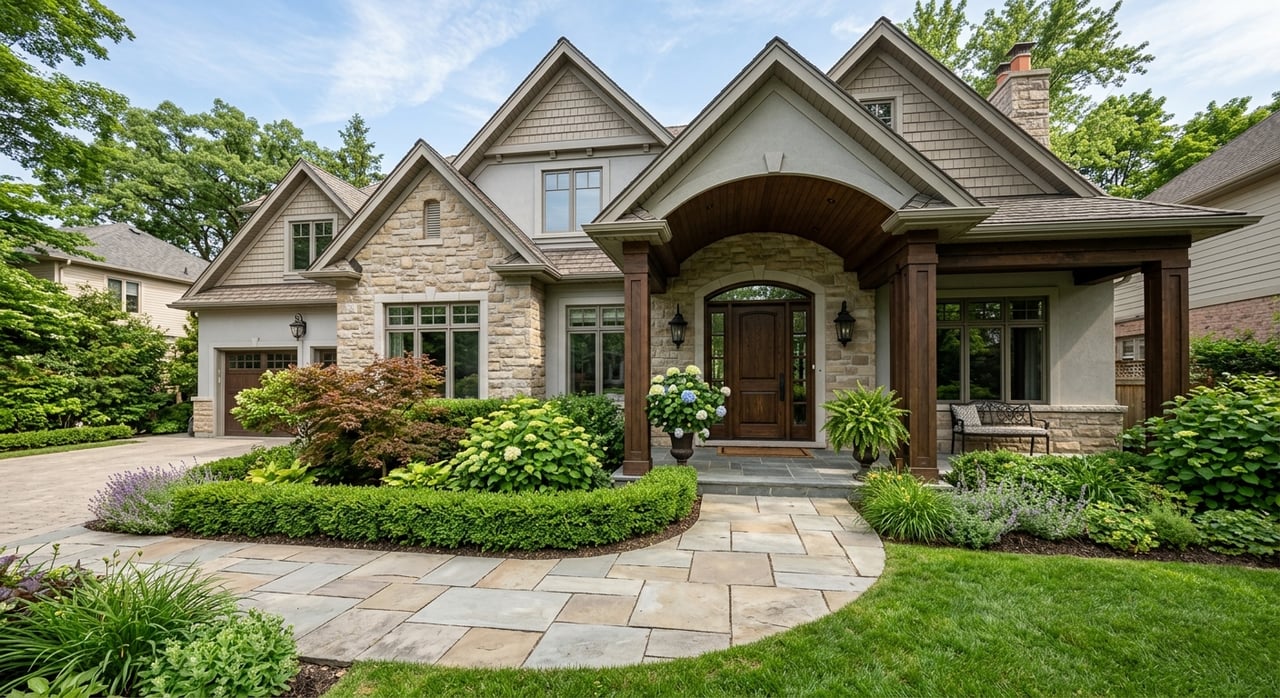
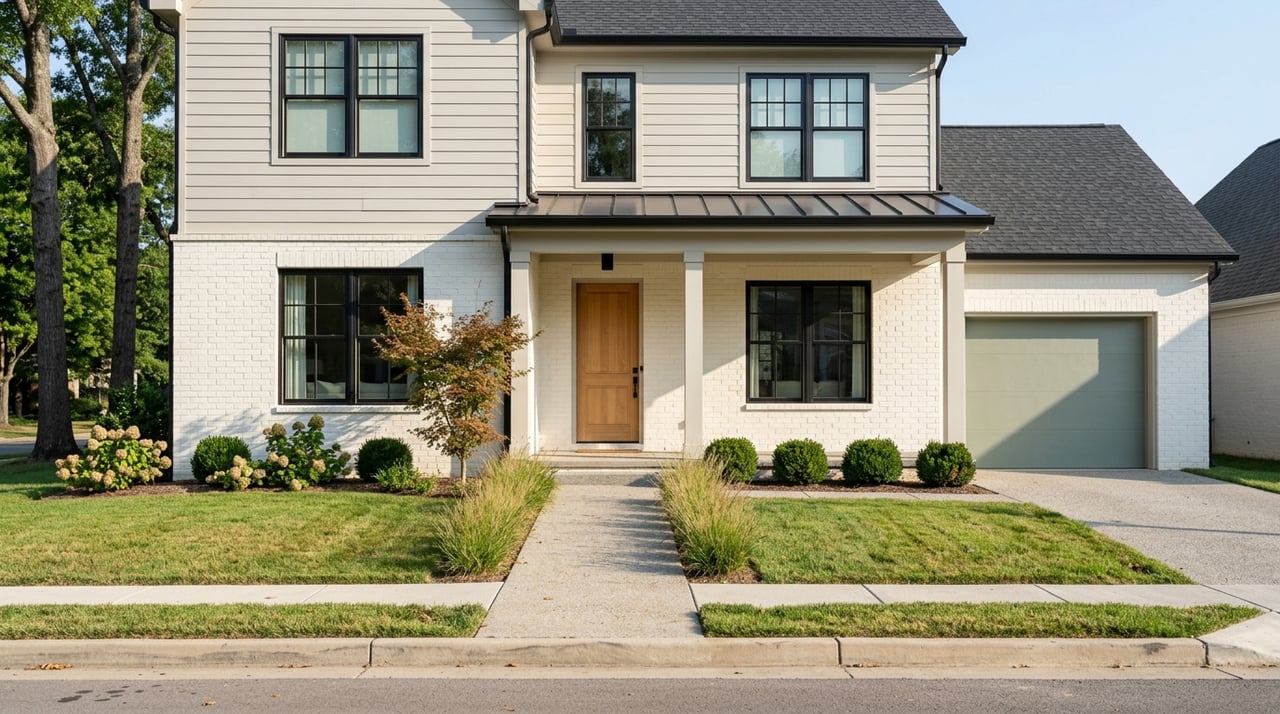
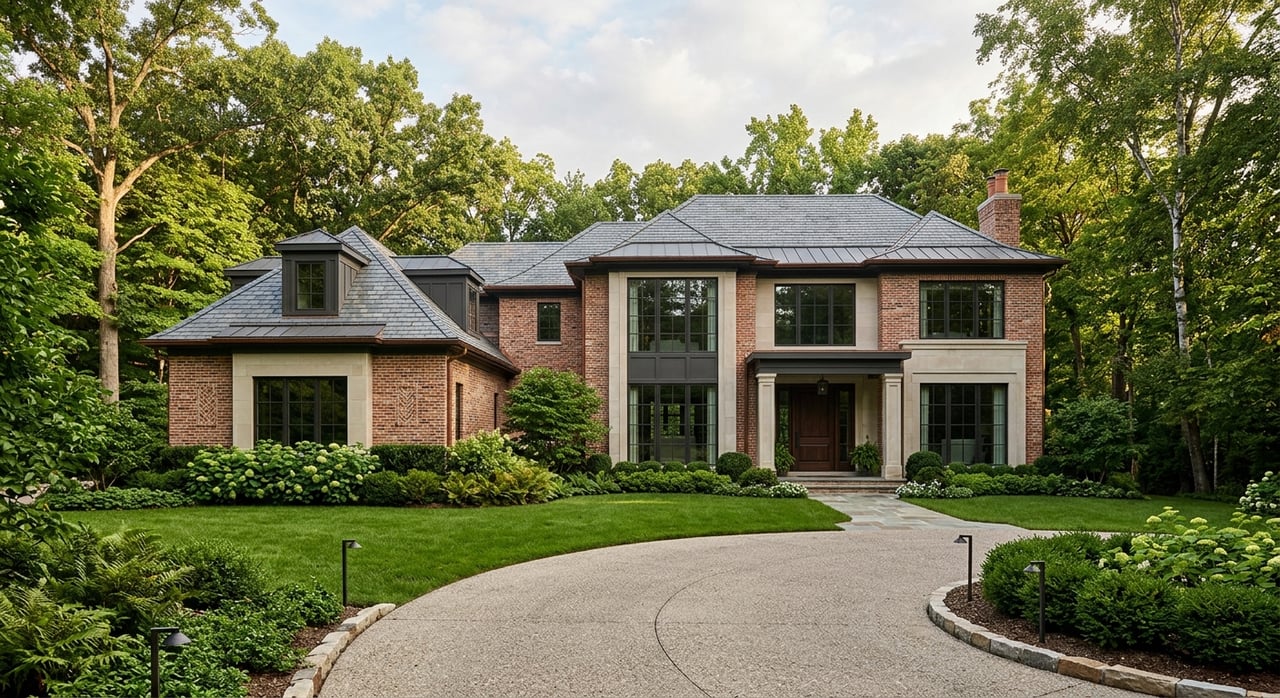
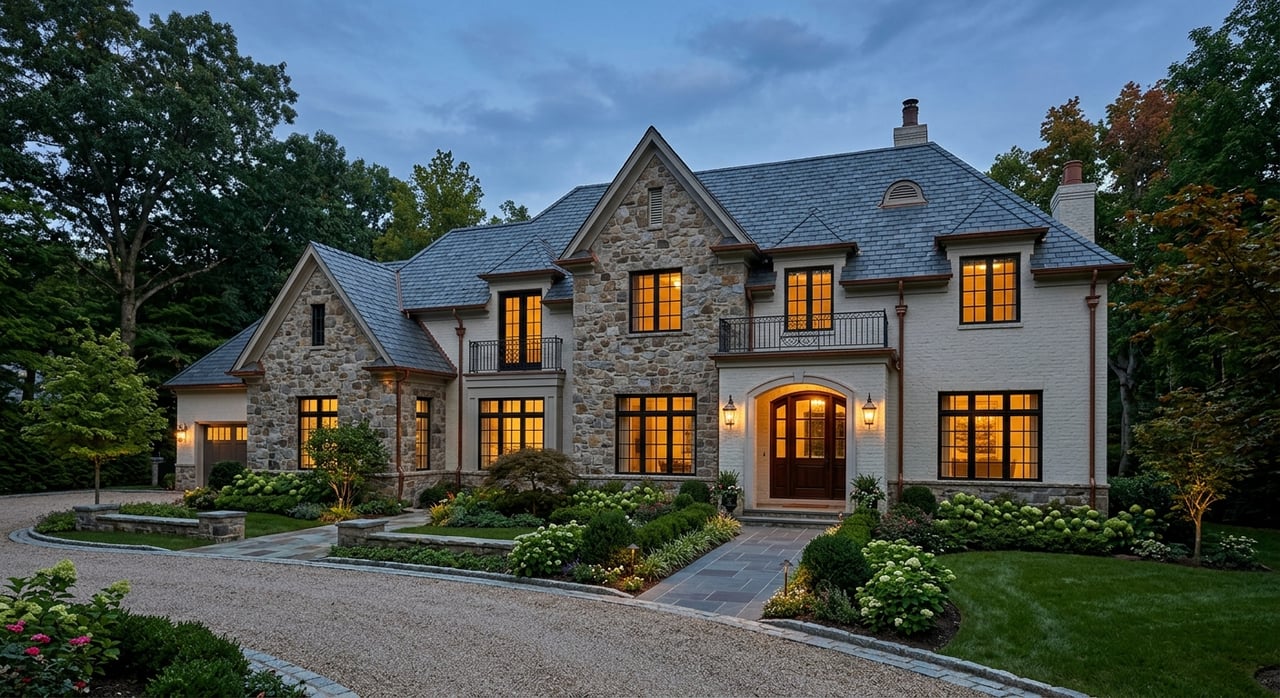
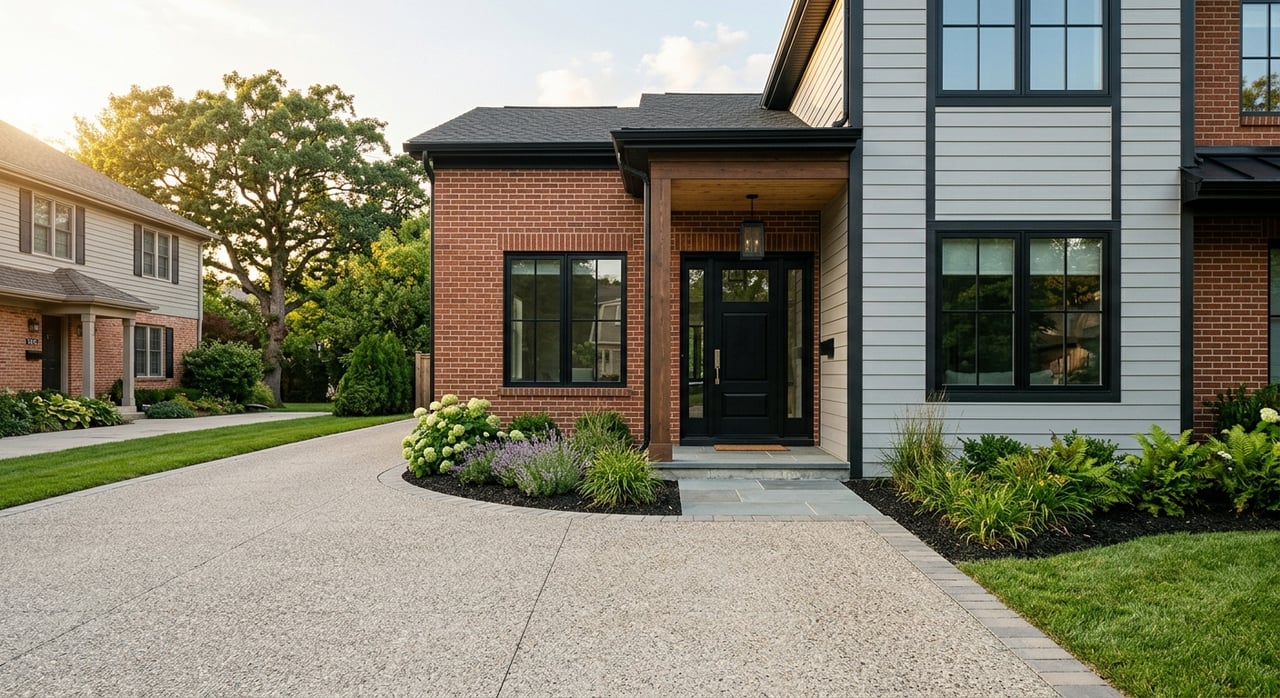
North Potomac’s housing stock also helps explain the feel of everyday life here. The area is dominated by single-family homes, with 66.8% of housing units classified as detached single-family and 21.9% as attached single-family.
Homes also tend to be larger in layout. About 40.7% of housing units have four bedrooms, and 21.5% have five or more bedrooms. Much of the housing stock was built in the 1980s and 1990s, which gives many parts of North Potomac a late-20th-century suburban character.
This matters because the physical layout of a community shapes how people live in it. In North Potomac, larger homes and a strong detached-home share often support routines centered around home offices, family schedules, entertaining at home, and outdoor space.
While every household is different, the local data points to a fairly clear pattern. North Potomac reads as a car-oriented suburb where people often balance home life, work, errands, and recreation close to home.
About 51.0% of workers drive alone, 39.3% work from home, and only 2.5% use public transportation. The mean travel time to work is 31.5 minutes, while 47.3% of households have two vehicles and 24.2% have three or more.
Those numbers suggest routines that often include driving to errands, activities, and appointments rather than walking everywhere. At the same time, the high work-from-home share points to a lifestyle where many residents may spend more time in the neighborhood during the day than in a commuter-heavy suburb of the past.
Another defining part of North Potomac’s lifestyle is stability. With 92.7% of residents living in the same home one year earlier and an owner-occupied rate of 82.9%, the area has the profile of an established community where many residents stay put.
The market also sits at a higher price point. Median owner value is $826,200, median monthly owner costs with a mortgage are $3,520, and median gross rent is $2,413. These figures reinforce that North Potomac is generally not positioned as an entry-level suburb, but rather as an established market where buyers often prioritize long-term fit.
North Potomac can be a strong fit if you want a quieter suburban environment with substantial housing, local parks, and practical access to nearby retail. It may especially appeal to buyers who value space, stability, and a routine that leans more toward home, recreation, and short drives than toward dense urban walkability.
If you are comparing North Potomac with nearby communities, it helps to be honest about your real daily habits. If your ideal week includes trail access, neighborhood parks, larger homes, and nearby rather than on-your-block shopping, North Potomac may feel very comfortable.
If you are thinking about buying or selling in North Potomac, the key is understanding not just price and inventory, but how the area fits your lifestyle goals. If you want patient, local guidance on what living here really looks like, reach out to Eva Nihal for a thoughtful conversation.
Stay up to date on the latest real estate trends.
With Eva, real estate is more than a transaction—it’s about building long-term relationships, creating opportunities, and helping people achieve their version of the American Dream.