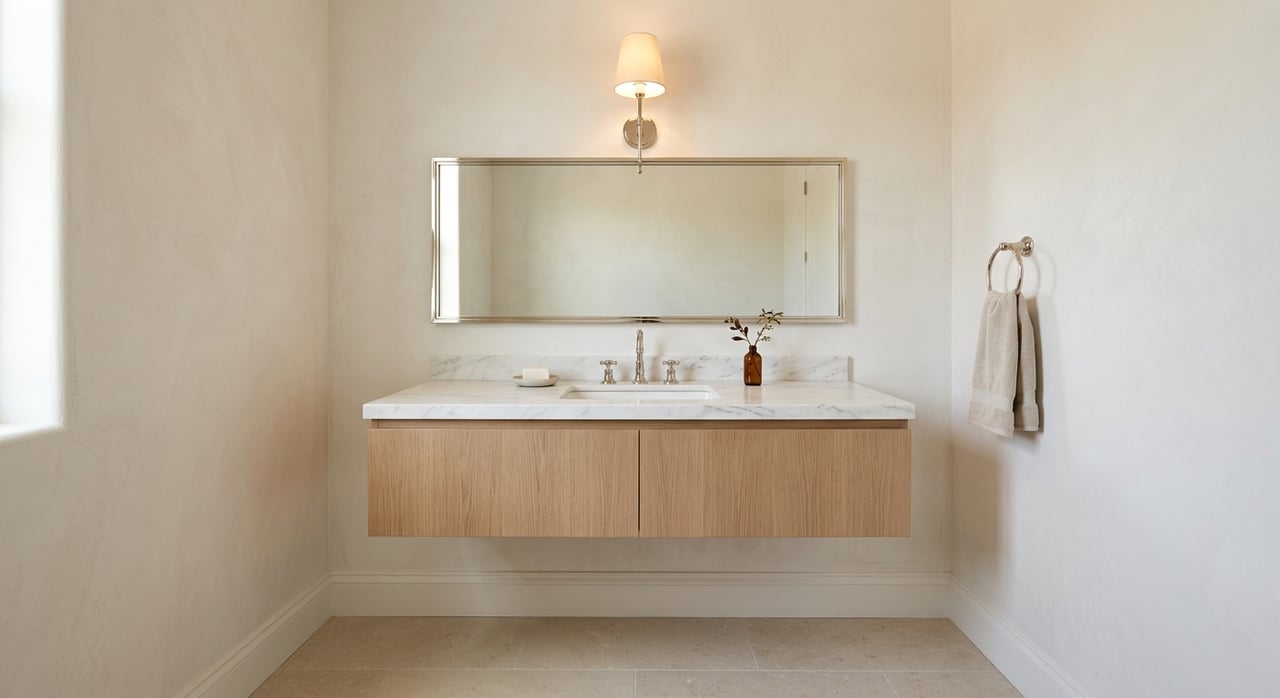
North Potomac Home Repairs to Prioritize Before Sale
June 4, 2026
June 4, 2026
If you’re getting ready to sell in North Potomac, it’s easy to wonder which repairs are actually worth your time and money. You want your home to show well, avoid unnecessary surprises, and make smart choices without turning the pre-listing process into a full renovation. The good news is that the most effective prep plan is usually simpler than people expect. Let’s walk through how to plan repairs before selling in a way that feels strategic, manageable, and buyer-focused.
North Potomac is a high-value, owner-heavy market. Census QuickFacts reports an owner-occupied housing rate of 82.9% and a median owner-occupied home value of $826,200 for 2020 through 2024. In a market like this, buyers often notice condition quickly and compare homes closely.
That matters even more because buyers have become less flexible about visible issues. NAR’s 2025 research found that 46% of buyers are less willing to compromise on condition. For you as a seller, that means clean presentation and well-planned repairs can have a real impact on how your home is received.
Before you think about major upgrades, focus on the things that shape first impressions. According to NAR’s staging survey, the most common seller prep recommendations were decluttering, whole-home cleaning, and improving curb appeal. Paint touch-ups, landscaping, minor repairs, and depersonalizing the home also ranked high.
That gives you a practical roadmap. In most cases, your first dollars should go toward making the home feel cared for, bright, and easy to picture living in. Buyers tend to notice visible wear long before they appreciate expensive behind-the-scenes improvements.
NAR found that the rooms most commonly staged were the living room, primary bedroom, dining room, and kitchen. That suggests these spaces deserve extra attention before listing. If you are trying to prioritize, start with the front entry and the rooms where buyers are most likely to pause, look around, and form an opinion.
Simple fixes can go a long way here. Scuffed paint, loose hardware, worn caulk, dated light bulbs, stained grout, and small wall damage can make a home feel more tired than it really is. Addressing those details helps your home read as move-in ready.
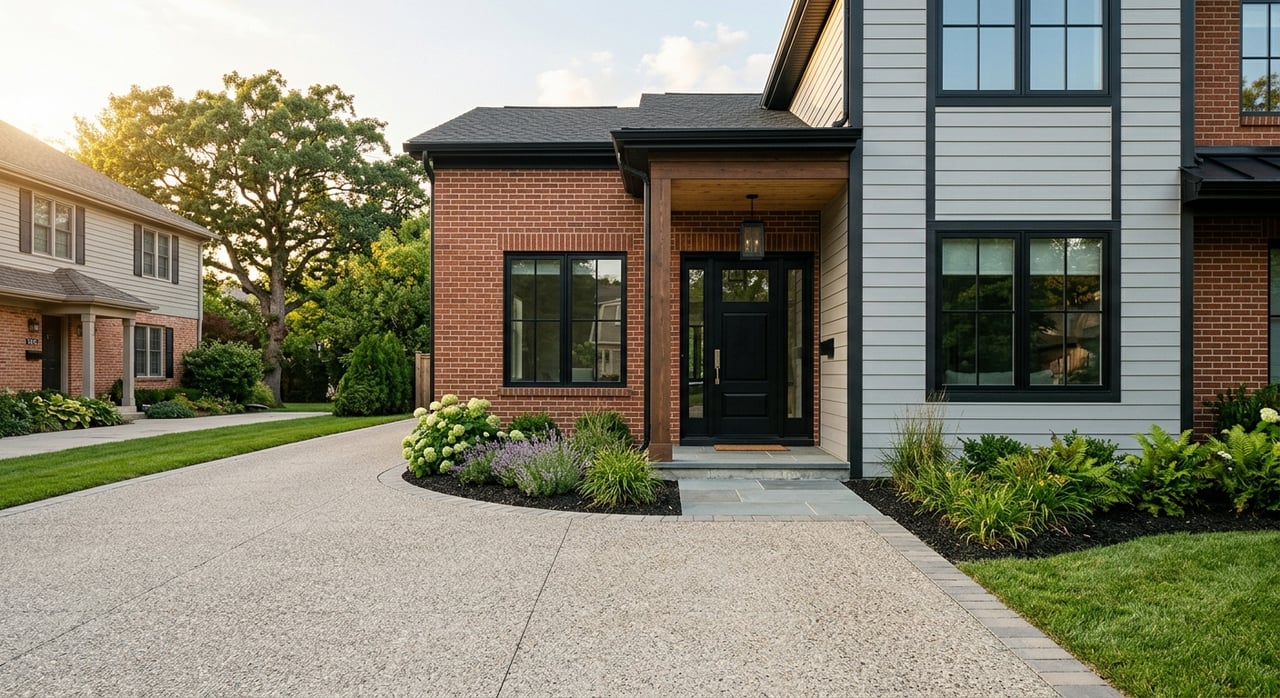
Exterior presentation matters more than many sellers expect. In NAR’s outdoor-features report, 92% of REALTORS said they recommend improving curb appeal before listing, and nearly all said curb appeal is important to attracting a buyer.
That does not mean you need a full landscape redesign. In many cases, yard cleanup, mulch refresh, trimmed shrubs, edged walkways, and a cleaner front entry create the strongest payoff. A tidy, welcoming exterior helps buyers feel positive before they even step inside.
When you are deciding what to repair, it helps to sort projects into three buckets: must-do issues, visible cosmetic fixes, and optional upgrades. This keeps the process from feeling overwhelming and helps you spend where it counts.
Some repairs are not really optional because they touch safety, systems, disclosure, or permits. Maryland’s single-family residential disclosure law requires sellers to provide buyers with either a disclosure statement or a disclaimer statement on the state form. The disclosure categories include major structural and system items such as roofing, walls, floors, foundation, plumbing, electrical, heating and air conditioning, water and sewer systems, and certain environmental hazards.
If you already know about a roof leak, electrical issue, plumbing problem, moisture concern, or wood-destroying insect issue, start there. These items can affect buyer confidence and may come up during inspection anyway. Dealing with them early can help you plan more calmly and avoid a rushed decision later.
Once the must-do items are handled, move to visible cosmetic improvements. These are often the repairs that help photos look better, make showings feel smoother, and reduce the sense that the home needs “work.”
Common examples include:
These projects are usually more affordable than large remodels, and they directly improve the way buyers experience the home.
If your home would benefit from a few targeted updates, smaller visible projects tend to make more sense than a full remodel. NAR’s 2025 Remodeling Impact Report showed strong estimated cost recovery for projects such as a new steel front door, closet renovation, fiberglass front door, and window replacement. Minor kitchen upgrades and bathroom renovations also showed better support than many large-scale overhauls.
For many North Potomac sellers, that means selective updates can be worthwhile if they fit the home’s current condition and price point. A refreshed front door, improved storage, or modest kitchen or bath update may help more than taking on a full renovation right before listing.
If your repair plan includes more than simple cosmetic work, pause before starting. Montgomery County says homeowners may apply for permits, and it lists kitchen and bath renovations, fixtures, basement finishing, decks, fences, retaining walls, driveways, and additions among permit-related project categories.
The county also notes that Maryland home improvement contractors must be licensed by the Maryland Home Improvement Commission. If a project is more complex, it is smart to confirm permit requirements and contractor licensing before work begins. That can help you avoid delays or documentation issues once your home goes on the market.
Pre-1978 homes need extra care if you are planning repair, renovation, or painting work. EPA guidance says that this type of work can create hazardous lead dust in older homes. Sellers of most pre-1978 housing must also disclose known lead-based paint information, provide the lead pamphlet, and allow buyers a 10-day inspection period unless that period is waived.
If this applies to your property, build that consideration into your prep timeline. It is also wise to use a lead-safe certified contractor for renovation work in those homes.
One of the best ways to reduce stress is to tackle repairs in the right sequence. The research supports a simple order that helps you stay focused and avoid doing things twice.
Start by identifying known problems with major systems, structure, moisture, pests, or environmental concerns. This gives you a clearer picture of what could affect disclosure, inspection, or buyer confidence.
After that, handle minor repairs in the spaces buyers see most. Focus on walls, trim, lighting, hardware, flooring condition, and anything that makes the home feel neglected.
Next, turn to the exterior. Clean up landscaping, improve the front entry, and make sure the outside of the home feels maintained and inviting.
Once repairs are done, prepare the home for listing photos and showings. NAR found that photos were the most important listing media for sellers’ agents, followed by videos and physical staging. In other words, the finish line is not just completing repairs. It is making sure the home looks clean, cohesive, and ready for marketing.
In many cases, yes, but staging does not always mean a full redesign. NAR reported a median spend of $1,500 for professional staging, while also noting that many sellers’ agents either do not stage or recommend decluttering and fixing property faults instead.
That is helpful if you want a practical approach. Sometimes the best result comes from a lighter plan: declutter, clean thoroughly, remove overly personal items, and arrange furniture to make rooms feel open and functional. If staging is used, it should support the repairs and presentation you have already completed.
One of the biggest seller mistakes is spending heavily in places buyers may not value enough to justify the cost. The research here points more clearly toward paint, curb appeal, front-entry improvements, storage, windows, and modest kitchen or bath updates than toward a full top-to-bottom remodel.
That does not mean bigger projects never make sense. It means your decisions should be guided by what buyers will notice, what supports strong presentation, and what fits your timeline and likely price strategy. A focused prep plan often beats an expensive one.
Selling a home can feel like a long to-do list, especially if you have lived in the property for years. But in North Potomac, the goal is not perfection. The goal is to present a well-cared-for home, address meaningful issues early, and make it easy for buyers to see the value.
With a patient plan, you can make repair decisions that support both your timeline and your sale. If you want help thinking through what to fix, what to leave alone, and how to prepare your home for the market, Eva Nihal can help you build a smart, education-first prep strategy, including options like Compass Concierge for eligible pre-sale improvements.
Stay up to date on the latest real estate trends.




With Eva, real estate is more than a transaction—it’s about building long-term relationships, creating opportunities, and helping people achieve their version of the American Dream.