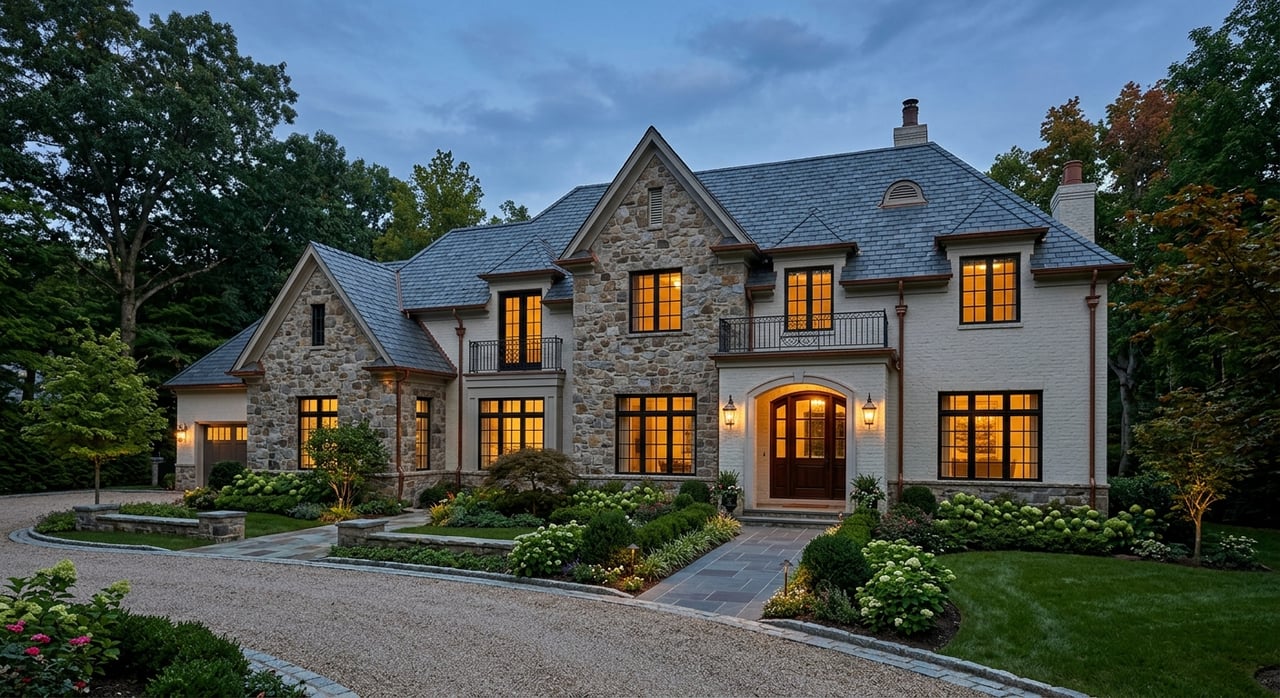
Compare North Potomac vs Bethesda for the Right Fit
June 11, 2026
June 11, 2026
Trying to choose between North Potomac and Bethesda? You are not alone. Both are well-known Montgomery County options, but they offer very different day-to-day experiences. If you are weighing space, commute patterns, housing style, and budget, this guide will help you sort through the tradeoffs with more confidence. Let’s dive in.
The biggest difference between North Potomac and Bethesda is not just price. It is how each place supports your daily routine.
Bethesda tends to feel more connected, more urban, and more transportation-flexible. North Potomac tends to feel more residential, more car-oriented, and more centered on detached homes with larger layouts. If you begin with how you want to live, the housing decision often becomes much clearer.
Bethesda is the closer-in option, and that shapes a lot of what buyers experience there. Montgomery Planning frames downtown Bethesda as an urban center with transportation infrastructure and park-oriented planning.
That broader planning context matches the housing and commute data. Bethesda offers a wider mix of housing types, including detached homes and a meaningful share of larger multifamily buildings, which can give you more options if you want something other than a traditional single-family layout.
According to the 2020-2024 American Community Survey data reported by Maryland planning sources, 52.9% of Bethesda housing units are detached homes. Another 38.0% are in buildings with 20 or more units.
That mix matters if you want flexibility. Bethesda includes smaller homes, condos, and larger residences, with one-bedroom units making up 18.1% of housing and five-or-more-bedroom homes making up 18.9%. The median number of rooms is 6.5, which points to a broad range of home sizes rather than one dominant format.
If transportation options matter to you, Bethesda stands out. Mean travel time to work is 27.7 minutes, and commuting patterns show more variety than North Potomac.
About 39.8% of workers drive alone, 9.6% use public transportation, 6.0% walk, and 38.0% work from home. For buyers who want more than one way to get around, that flexibility can be a major advantage.
North Potomac offers a more classic suburban housing pattern. It tends to appeal to buyers who want more interior space, more bedrooms, and a neighborhood feel built around detached homes.
The numbers support that picture. North Potomac has a higher share of detached housing, larger average floorplans, and a stronger owner-occupied profile than Bethesda.
In North Potomac, 66.8% of housing units are detached homes and 21.9% are attached homes. Only 3.9% are in buildings with 20 or more units.
The homes also trend larger. About 40.7% of units have four bedrooms, 21.5% have five or more bedrooms, and the median number of rooms is 8.0. If your priority is a larger floorplan or a more traditional suburban layout, North Potomac may feel like a better fit right away.
North Potomac is also more heavily owner-occupied. Owner-occupied homes make up 82.9% of occupied units, compared with 64.0% in Bethesda.
Its housing stock is concentrated more heavily in the 1980s and 1990s, which suggests a more established suburban subdivision pattern. Bethesda, by comparison, has a more varied age mix across several decades.
For many buyers, this comparison comes down to one core tradeoff: space versus convenience.
Bethesda tends to trade on location, transit access, and housing variety. North Potomac tends to trade on square footage, detached-home inventory, and a more residential day-to-day rhythm.
Neither is automatically better. The better choice depends on what you want your mornings, evenings, and weekends to look like.
Even though both locations have large work-from-home shares, commute patterns still tell an important story. They are especially useful if you go into the office a few days a week or want more flexibility over time.
North Potomac has a mean travel time to work of 31.5 minutes. Its commuting pattern includes 51.0% driving alone, 2.5% using public transportation, 0.5% walking, and 39.3% working from home.
That does not mean one place is good and the other is bad. It simply means Bethesda offers more transportation choices, while North Potomac is generally a better match if you are comfortable driving most places.
Budget is one of the clearest differences between these two markets. If you are trying to decide where your money may stretch further, the gap is meaningful.
The 2020-2024 ACS owner-occupied median value was $1,169,900 in Bethesda and $826,200 in North Potomac. That is a difference of about $344,000.
An April 2026 market snapshot shows a similar pattern, with a median sale price of $1,254,352 in Bethesda versus $828,572 in North Potomac. Using either measure, Bethesda is the materially higher-budget market.
If you feel torn, it helps to narrow the decision into a few practical questions. You do not need to find the “perfect” town. You need the place that fits your real life best right now and still supports your longer-term goals.
Bethesda can make sense if you want more flexibility in how you live and move around, and if you are comfortable paying more for that access and variety.
North Potomac can make sense if you want more space, a more residential routine, and a market where the typical price point is lower than Bethesda.
If both places are still on your list, try comparing them through the lens of your weekly routine. Think about where you spend time, how often you commute, how much space you truly need, and what level of price feels comfortable for your broader financial picture.
It also helps to compare actual available homes, not just broad market averages. Sometimes your best answer is not “Bethesda” or “North Potomac” in the abstract. It is the specific home, layout, and location that aligns best with your lifestyle goals.
If you want patient, clear guidance as you compare Bethesda and North Potomac, Eva Nihal can help you weigh the tradeoffs, understand your options, and move forward with confidence.
Stay up to date on the latest real estate trends.
With Eva, real estate is more than a transaction—it’s about building long-term relationships, creating opportunities, and helping people achieve their version of the American Dream.