Understanding Great Falls: Homes, Land, And Lifestyle Options
July 2, 2026
July 2, 2026
Are you looking for more space without leaving the Washington area behind? Great Falls stands out because it offers a very different pace and housing pattern than many close-in suburbs. If you want to understand what daily life, lot sizes, and home choices really look like here, this guide will help you make sense of the market. Let’s dive in.
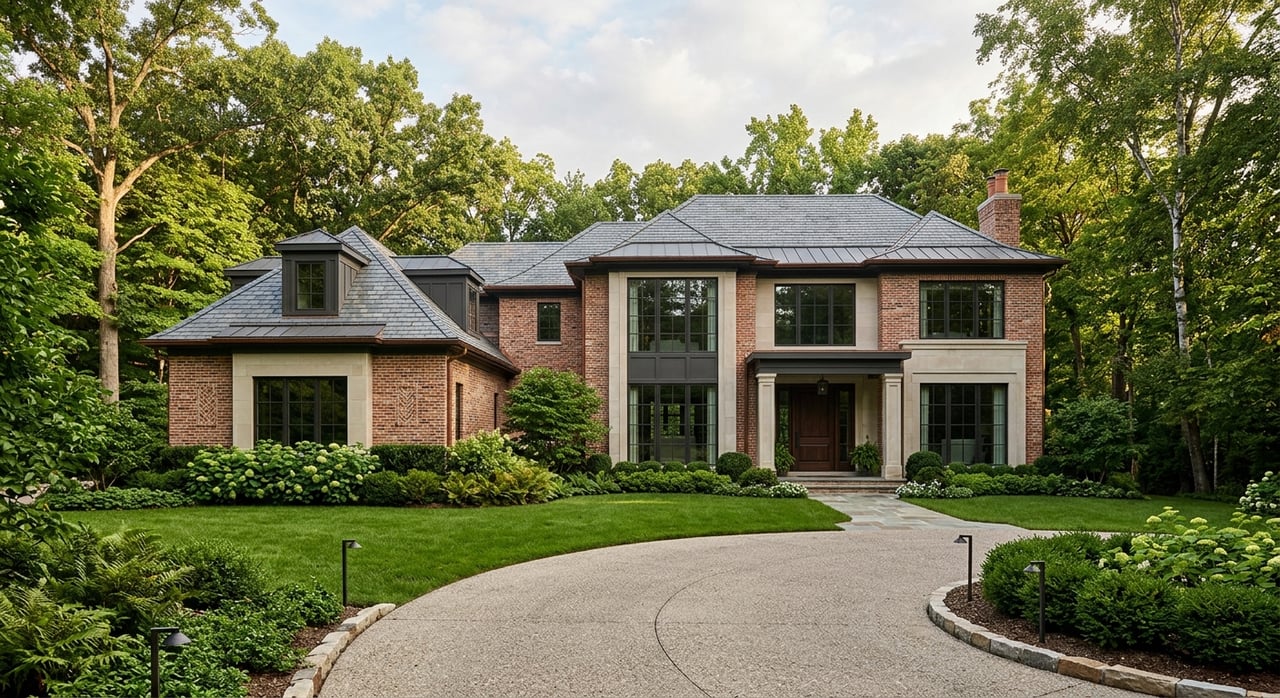
Great Falls is a low-density residential area in Fairfax County with a strong emphasis on preserving space, scenic character, and a residential-first feel. County planning documents describe the area north of Route 7 along the Potomac as a mix of undeveloped land, farms, residential estates, and large-lot subdivisions.
That planning framework matters if you are comparing Great Falls with more built-up Northern Virginia communities. In simple terms, Great Falls is designed to stay spacious, with commercial uses generally limited to existing village-scale nodes rather than spreading throughout the area.
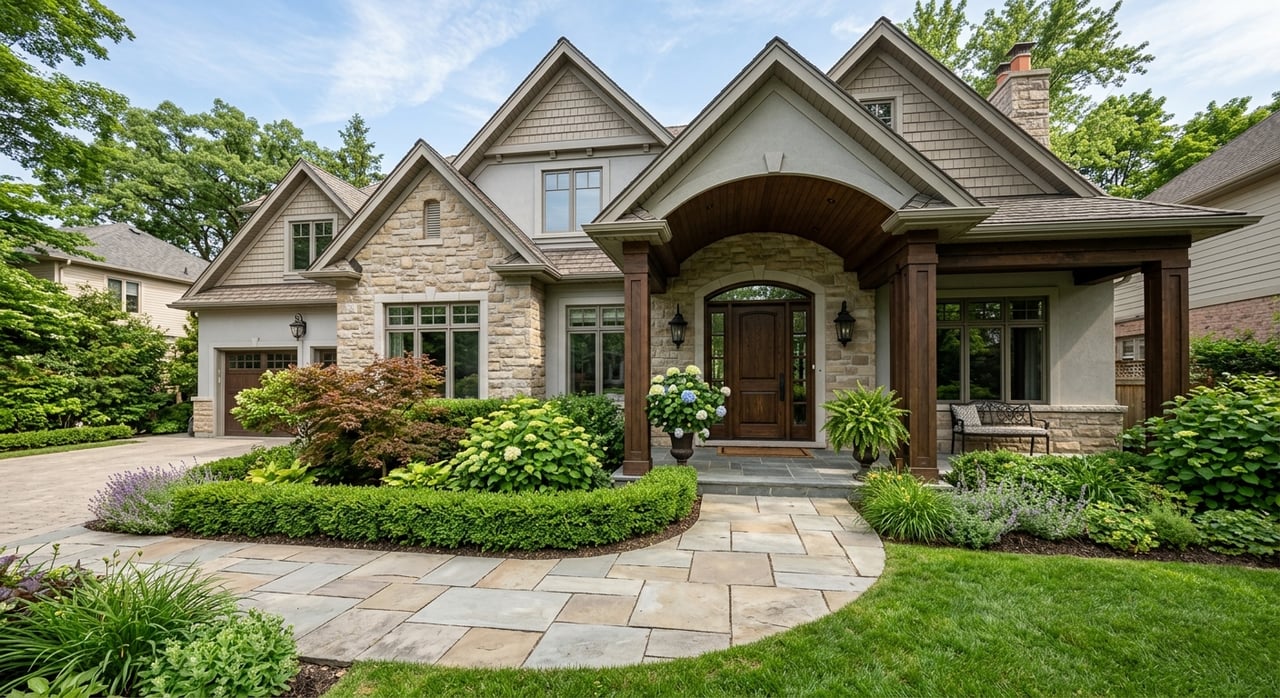
If you are searching in Great Falls, you are mostly looking at detached homes. Census data indicates the housing stock is about 99% single-unit, so it is fair to think of Great Falls as a detached-home market with very limited condo or dense townhouse inventory.
That shapes both your search and your expectations. If you want a condo building, a townhome-heavy community, or a more urban housing mix, Great Falls may feel limited. If you want a standalone home with more breathing room, it is much more aligned with that goal.
Great Falls has about 5,100 housing units, and roughly 95% are owner-occupied. That high ownership rate supports the area’s reputation as a place where many people buy for longer-term use rather than short-term convenience.
The median owner-occupied home value is about $1.411 million, based on current Census data. For buyers, that sets the tone for the market. Great Falls is typically a higher-price, space-oriented residential area rather than an entry-level housing market.
Because the housing stock is overwhelmingly single-unit, you should expect fewer attached or compact options. That can be a plus if your priority is privacy, separation from neighbors, and larger outdoor space.
It can also mean fewer choices if you are hoping for a lower-maintenance home style. In Great Falls, the housing pattern itself tells you a lot about the lifestyle the area supports.
One of the biggest reasons buyers look at Great Falls is land. Fairfax County planning documents show that parts of the area are planned for very low residential density, including ranges like .2 to .5 dwelling units per acre and .5 to 1 dwelling units per acre, while some older areas along Georgetown Pike are planned at 1 to 2 dwelling units per acre.
In practice, that means lot sizes can vary, but the overall character stays low-density. You may see estate-like settings in some sections and somewhat smaller, though still spacious, residential pockets in others.
County parcel records provide real-world examples of what buyers can encounter. Those examples include a 5-acre detached parcel on Bliss Lane, a 2.1-acre detached parcel on Leigh Mill Road, and a roughly 77,488-square-foot detached parcel on Nicholas Run Drive.
These are not a full statistical sample of the market, but they clearly illustrate the scale that exists in Great Falls. If you are moving from a denser suburb, the amount of land attached to some homes here can feel like a major change.
Larger lots often bring more privacy, more flexibility for outdoor living, and a stronger sense of separation from nearby homes. They can also mean more upkeep, longer driveways, and a different day-to-day rhythm than a compact neighborhood or condo setting.
That is why Great Falls tends to appeal most to buyers who value space and setting over convenience to dense retail or transit. It is less about squeezing in more housing and more about preserving a spacious residential environment.
Great Falls is not just about the home itself. It is also about the setting around it. The area’s identity is closely tied to nature, scenic roads, and a quieter residential feel.
For many buyers, that is the real draw. You are not choosing Great Falls because it feels urban. You are choosing it because it feels wooded, open, and connected to outdoor recreation.
Great Falls Park is one of the area’s best-known outdoor assets. The National Park Service describes it as an 800-acre site about 15 miles from Washington, D.C., with more than 15 miles of trails and three overlooks within a short walk of the visitor center.
Some trails support hiking, biking, and horseback riding, and the Potomac views are a major part of the experience. For buyers who want easy access to scenery and trail networks, that is a meaningful lifestyle advantage.
Riverbend Park adds another layer to that outdoor appeal. Fairfax County describes it as a place where geology, plant life, wildlife, isolation, and beauty come together, which helps explain why the area attracts people looking for a more nature-oriented setting.
Scott’s Run Nature Preserve, just off Georgetown Pike in nearby McLean, is another option nearby for rugged hiking and Potomac Gorge scenery. Together, these spaces reinforce the idea that Great Falls offers a lifestyle centered more on natural surroundings than on dense commercial activity.
For buyers interested in horseback riding, Turner Farm Park is a standout local feature. Fairfax County says it includes nearly 40 acres of open fields for general riding, with dawn-to-dusk access and no fee for daily use.
That does not mean every Great Falls buyer is seeking an equestrian lifestyle, but it does highlight the kind of land use and recreation patterns that help define the area. In many suburbs, that type of amenity would be unusual. In Great Falls, it fits the broader character.
Georgetown Pike is more than a commuter route. Fairfax County’s comprehensive plan identifies it as a Virginia Byway and notes that widening or major alignment changes would damage its scenic and historic character.
That tells you something important about Great Falls. The road network is part of the experience of living there, and preserving that character is a local priority.
Great Falls is residential first, and county planning reflects that. Local-serving commercial uses are generally limited to village-scale nodes such as Great Falls Village and the Georgetown Pike and Walker Road area.
For you, that means daily errands may feel different than they would in a denser suburb with commercial strips on every corner. Some buyers see that as a tradeoff. Others see it as part of the appeal.
Great Falls is not planned as a rail-dense or transit-focused area. Based on its land-use pattern and the county’s emphasis on preserving low density, it is reasonable to view Great Falls as a primarily car-oriented community.
That does not mean it is isolated. It means your daily mobility will usually depend more on road access than on walkable transit infrastructure.
Fairfax County planning documents repeatedly point to Route 7, Georgetown Pike, and the Dulles Airport Access Road as major corridors shaping access around Great Falls and the broader Upper Potomac area. Those routes matter when you think about commuting, airport access, and trips to nearby business centers.
Great Falls is also positioned near major employment hubs like Tysons and Reston. Fairfax County describes Tysons as the county’s downtown and a 24-hour urban center, while Reston Town Center is recognized as an established office, residential, retail, and hotel center.
Census data shows a mean travel time to work of 33.5 minutes. That supports the general expectation that many Great Falls residents are trading denser development and easier transit access for more land, privacy, and a scenic environment.
For some buyers, that is exactly the right tradeoff. For others, especially if daily walkability or rail access is a top priority, it may be less ideal.
Great Falls tends to fit buyers who want a detached home, value privacy, and appreciate a low-density setting. It can be especially appealing if your wish list includes larger lots, outdoor recreation, and a quieter residential atmosphere.
It may be less aligned if you want a broad mix of condos and townhomes, highly walkable retail, or a transit-centered lifestyle. Neither approach is better. It is really about matching the area to the way you want to live.
Before focusing only on a home’s finishes, it helps to think about how Great Falls functions day to day. A beautiful property can still be the wrong fit if the surrounding pattern does not match your needs.
As you evaluate homes in Great Falls, pay close attention to:
The goal is not just to buy a house. It is to choose a setting that supports your lifestyle over time.
If you are exploring Great Falls and want clear, patient guidance on how the area compares with other luxury and lifestyle markets in Northern Virginia and the wider DMV, Eva Nihal can help you evaluate your options with a long-term perspective.
Stay up to date on the latest real estate trends.
With Eva, real estate is more than a transaction—it’s about building long-term relationships, creating opportunities, and helping people achieve their version of the American Dream.