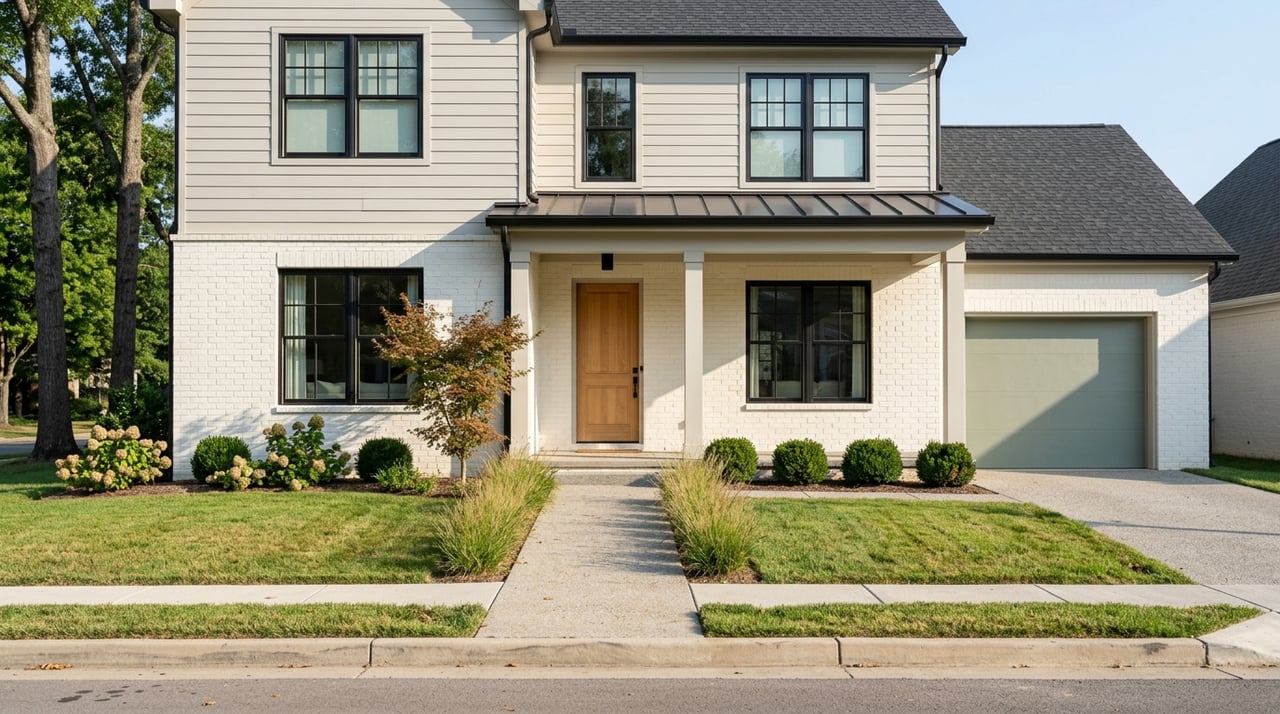
Germantown MD Lifestyle Guide for Daily Life
July 23, 2026
July 23, 2026
Looking for a place that can handle real life, not just weekend plans? Germantown offers a practical mix of outdoor space, daily convenience, and regional access that appeals to a wide range of buyers and renters. If you want a clearer picture of what everyday living here actually feels like, this guide will walk you through the basics, from commuting and errands to housing and recreation. Let’s dive in.
Germantown is one of the largest communities in Maryland, with 91,249 residents counted in the 2020 Census. Montgomery Planning describes it as a mix of residential neighborhoods, suburban retail centers, office parks, research and development uses, and public institutions. In simple terms, it is a place built for day-to-day living, not just one single downtown experience.
It is also a notably diverse community. According to Montgomery Planning, 37.8% of residents are foreign-born, and 48.4% of people age 5 and older speak a language other than English at home. For many buyers, that can signal a community shaped by a wide range of backgrounds, routines, and perspectives.
Germantown’s lifestyle tends to feel suburban, active, and convenience-driven. You are likely to spend your time moving between neighborhood streets, shopping areas, parks, and commuter routes rather than relying on one central main street. That pattern works well for people who want space, services, and flexibility in the same area.
Montgomery Planning’s overall read is especially useful here: Germantown functions as a suburban, transit-capable, park-rich community with a broad mix of ownership and rental options. That combination can make it appealing whether you are buying your first home, moving up, or looking for a home base with practical access around the region.
If commute options matter to you, Germantown offers more than one way to get around. The area is built around I-270, MD 118, the Germantown Transit Center, and the Germantown MARC station. Instead of a single rail-heavy setup, the community works through a network of roads, buses, and commuter rail.
Census QuickFacts lists the mean commute time at 30.8 minutes. Your actual routine will depend on where you work and when you travel, but the broader takeaway is that Germantown supports both driving and transit-based commuting. That can be helpful if your schedule changes during the week or if different household members commute in different directions.
The Germantown Transit Center is a key park-and-ride location on MD 118. It is served by Ride On routes 55, 61, 74, 75, 82, 83, 97, 98, and 100, with connections to Shady Grove and the Germantown MARC station.
Route 55 connects Germantown Transit Center with Rockville, Shady Grove, and Milestone. Route 61 connects Shady Grove, Lakeforest, and Germantown Transit Center. For regional travel, the MARC Brunswick Line serves Germantown and continues to Rockville, Silver Spring, and Union Station.
County planners are also advancing MD 355 BRT, with a central segment designed to include Germantown Transit Center and Milestone Park and Ride. While long-range planning is not the same as immediate lifestyle, it does point to continued attention on mobility and connected travel corridors.
One of Germantown’s strongest lifestyle advantages is how much outdoor space is close at hand. If being outside is part of your daily or weekly routine, this area gives you real options rather than just a small local park. That can make a big difference in how a neighborhood feels over time.
South Germantown Recreational Park spans 695 acres and includes hiking, biking, archery, miniature golf, swimming, soccer, picnicking, adventure play, and community garden plots. For many residents, that kind of range supports everything from a quick weekday outing to a full Saturday plan.
Black Hill Regional Park offers more than 2,000 acres with views of Little Seneca Lake. It includes boating, more than 20 miles of hiking, mountain biking, and horseback trails, along with a dog park, picnic shelters, and a discovery center. If you want outdoor options that feel bigger than a neighborhood green space, this is a major local draw.
Nearby Seneca Creek State Park adds even more room to explore. The park covers 6,300 acres along 14 scenic miles of Seneca Creek and includes Clopper Lake, more than 50 miles of trails for hiking, horseback riding, and bicycling, plus historic features such as the Grusendorf Log House.
A lifestyle guide should answer a basic question: how easy is it to get things done? In Germantown, many daily errands cluster around established shopping and service areas rather than being spread too far apart. That can make routines feel more efficient.
Montgomery County’s Upcounty page points to a dense restaurant cluster around Germantown Town Center. This same corridor also includes BlackRock Center for the Arts, which adds a performing-arts venue to the area’s everyday mix. If you like having dining and local cultural options nearby, that matters.
Germantown Commons on Middlebrook Road describes itself as a destination for dining, shopping, and everyday essentials, with fitness, banking, restaurants, and retail. Milestone also plays an important role as both a shopping and commuting node, tied to the Germantown Milestone Park and Ride.
In practical terms, Germantown supports a lifestyle where errands, dining, services, and commuting often overlap in the same general hubs. That can save time and simplify your routine. For busy households, convenience is not a luxury. It is part of what makes a location work.
Housing in Germantown is mixed, which is one of its biggest strengths. According to Montgomery Planning’s Germantown reports, the area has a strong rental market and a lower homeownership rate than the county overall. For buyers and renters alike, that usually means you are looking at a broader range of housing types and price points than in communities dominated by one format.
The housing stock includes single-family detached homes at 21%, townhomes at 38%, small multifamily buildings at 12%, and larger multifamily buildings. That mix can be appealing if you want choices that match your stage of life, budget, maintenance preferences, or long-term goals.
Census QuickFacts reports an owner-occupied rate of 67.2%, a median owner-occupied home value of $422,400, and a median gross rent of $2,040. These numbers help frame Germantown as a community where both ownership and rental living are active parts of the market.
Recent development records also show newer mixed-use housing near Town Center. Village West at Germantown Town Center includes 166 townhomes and 304 apartments, while Black Hill includes 1,618 dwelling units with senior adult housing, low-rise, and townhouse buildings.
Montgomery Planning is also updating the Germantown sector plan to guide the next 20 to 30 years of growth. The goal includes creating more connected places where people can live, work, and meet daily needs closer to home. For buyers thinking long term, that planning context is worth noting.
Germantown can work well for several types of movers because it does not force one lifestyle pattern. If you are a first-time buyer, the range of townhomes, condos, apartments, and detached homes may give you more flexibility as you compare options. If you are planning a move-up purchase, the combination of space, parks, and regional access may support a longer-term home search.
It can also be a practical choice if you value commuting flexibility. Some households want the option to drive, use bus service, or connect through MARC depending on the day. Germantown is built in a way that supports that kind of real-world routine.
For cross-border or international buyers, the area’s diversity may also feel familiar and welcoming from a day-to-day perspective. If clear guidance matters to you while learning a new local market, having a community with many kinds of households and housing choices can be a helpful starting point.
The best way to judge Germantown is to think in terms of routine. Ask yourself where you would shop, how often you would commute, what kind of outdoor access you want, and what housing type makes sense right now. Lifestyle fit usually becomes clearer when you picture a normal Tuesday, not just a weekend visit.
It also helps to compare your options by zone and housing style. A home near Town Center may support a different rhythm than one closer to larger park space or a commuter route. Neither is automatically better. The right fit depends on how you want to live.
If you are exploring Germantown as a buyer, investor, or future seller planning ahead, patient and local guidance can make the search much easier. If you want help thinking through lifestyle fit, housing options, and your next move in the DMV, connect with Eva Nihal at Eva Homes DMV.
Stay up to date on the latest real estate trends.
With Eva, real estate is more than a transaction—it’s about building long-term relationships, creating opportunities, and helping people achieve their version of the American Dream.