A Guide to Living in Bethesda MD: Parks, Dining & Commutes
March 5, 2026
March 5, 2026
If your ideal day includes a morning run, a great cup of coffee, and a simple Red Line ride into D.C., Bethesda may fit your rhythm. Choosing a neighborhood is about more than an address; it is about how your routines feel from Monday through Sunday. In this guide, you’ll get a clear picture of parks and trails, dining and culture, and how people get around day to day. You’ll also see how housing types and commutes shape everyday life so you can decide if Bethesda matches your goals. Let’s dive in.
Bethesda is a close-in Montgomery County community with a population of about 68,000 and a highly educated workforce. According to Census QuickFacts for Bethesda, about 87% of adults hold a bachelor’s degree or higher, median household income is near $192,200, and the mean travel time to work is about 27.7 minutes. Housing costs are high compared to national averages, and price varies by neighborhood and property type. Major employers nearby include the NIH, Walter Reed National Military Medical Center, and Suburban Hospital, and the downtown daytime workforce is often cited as exceeding about 40,000 people, per Bethesda Urban Partnership facts and figures.
Bethesda’s green spaces support quick daily workouts, evening walks, and weekend family time.
The Capital Crescent Trail is a heavily used, multi-use corridor that connects downtown Bethesda to Georgetown and Silver Spring. Many residents bike or jog here before work and use it for active commuting. Expect more pedestrian and bicycle activity during weekday mornings and evenings. Explore the route and trailheads on the Montgomery Parks Capital Crescent Trail page.
Small urban parks around Elm Street and the downtown core are designed as gathering places. They host programmed activities like concerts and markets, and you will see lunch crowds on nice days. These parks function as an extension of the downtown sidewalk scene rather than quiet greenways.
Just west of Bethesda, Glen Echo Park offers art studios, classes, frequent family events, and a restored 1921 Dentzel carousel. Larger county parks, including Cabin John Regional Park and nearby stream‑valley parks, add playgrounds, sports fields, and shaded paths for low‑key weekend routines.
Downtown Bethesda feels like a small city: compact, walkable, and programmed with events.
Bethesda Row and Woodmont Triangle are the main dining and retail districts. You can wander from casual spots to upscale dining in a few blocks, and seasonal promotions like Taste of Bethesda and Savor Bethesda reflect an active restaurant scene. For current events and district news, check Bethesda Urban Partnership.
Saturday routines often include a stop at the historic Montgomery Farm Women’s Cooperative Market on Wisconsin Avenue. It is a long‑running local institution that blends grocery shopping with casual social time. Learn more about its history on The Clio’s market entry.
Two performing‑arts anchors shape evenings and weekends. Downtown’s Round House Theatre produces a regular slate of performances, which pairs easily with nearby dining. In North Bethesda, Strathmore hosts concerts, classes, and community programming across its Music Center and Mansion campus, drawing residents from across the county.
Bethesda supports multi‑modal movement, which helps shorten and simplify daily trips.
The Red Line’s Bethesda station anchors the downtown, with nearby Medical Center and Grosvenor‑Strathmore stations serving adjacent job centers and neighborhoods. Many residents rely on the Red Line for daily trips into central D.C. Within downtown, a free circulator links Metro, public garages, and key destinations, making quick errands simple. See circulator and mobility details via the Bethesda Urban Partnership mobility overview. Metrobus, Montgomery County Ride On, and regional services fill in the network.
The Capital Crescent Trail and Capital Bikeshare docks help with first‑ and last‑mile connections. Short rides or walks often beat short drives during peak hours, especially for downtown errands or trips to NIH and Walter Reed.
The ACS mean commute time for residents is about 27.7 minutes across all modes, based on Census QuickFacts for Bethesda. Red Line trips to core D.C. stations typically fall in the 15 to 30 minute range, depending on where you start and your connection or walking time downtown. Always confirm point‑to‑point times with WMATA’s trip planner.
The Maryland Purple Line light rail will add east‑west service from Bethesda to Silver Spring, College Park, and New Carrollton. Public summaries have noted a 2027 target, though schedules can shift during construction and testing. For high‑level project context, see this overview of transport megaprojects. Treat any opening date as provisional and re‑check official project updates if this timing is important to your move.
Housing style shapes your everyday routine, from parking and yard work to school assignments.
Near Bethesda Row and Woodmont Triangle, you’ll find a concentration of mid‑ and high‑rise condos and apartments. If you want walkability, easy dining access, and lower‑maintenance living, this pattern fits well. Many buildings sit within a short walk of the Red Line, which can simplify commuting.
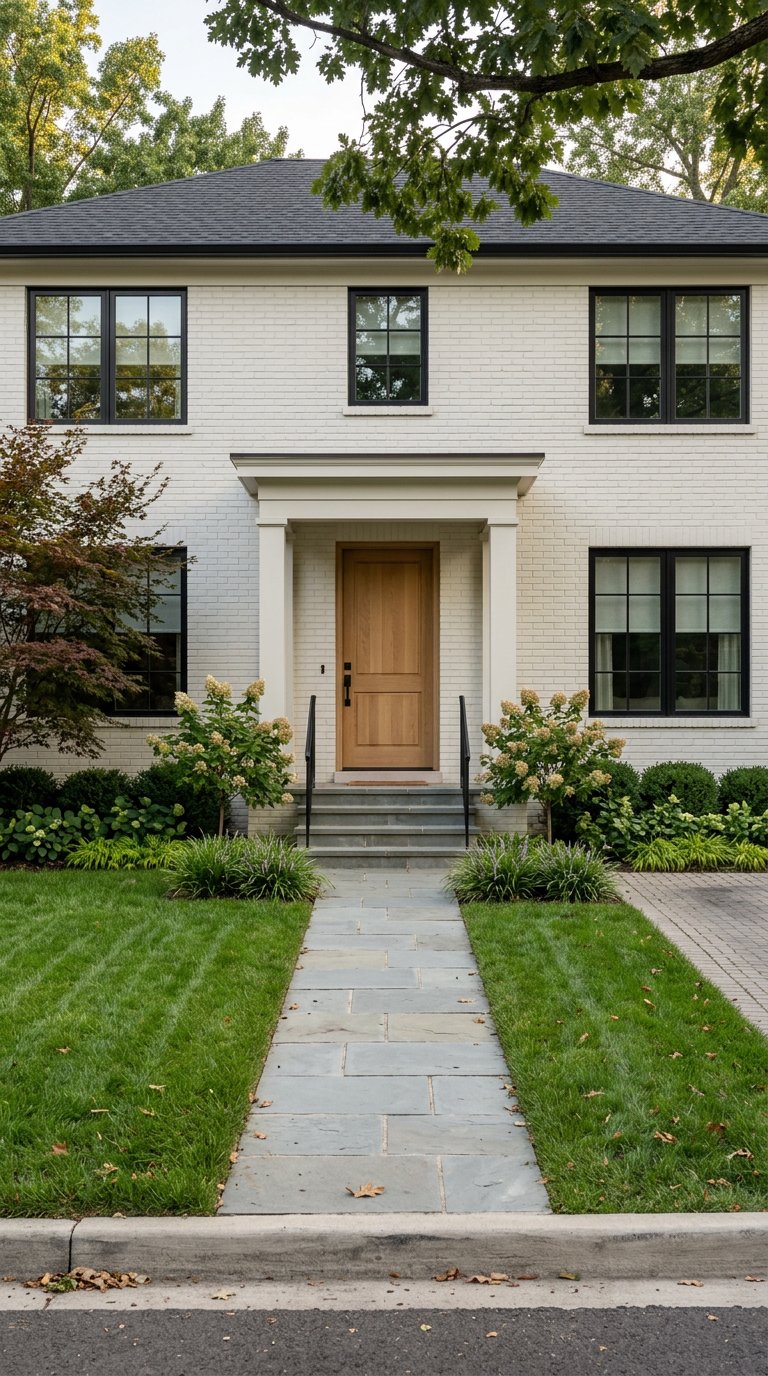
Surrounding areas such as Edgemoor, Somerset, parts of Chevy Chase to the east and west, Wyngate, and the Cabin John corridor offer a mix of mid‑century and historic single‑family homes along with townhouses and select infill. Daily life here often means private outdoor space, driveways, and a more traditional block feel. School assignments matter for families and can change with attendance boundaries, so verify details directly with Montgomery County Public Schools and tools like GreatSchools’ page for Bethesda‑Chevy Chase High School.
Bethesda is expensive relative to national averages. The ACS 2020–2024 median owner‑occupied value is about $1.17M, per Census QuickFacts for Bethesda. In practice, condos, townhouses, and single‑family homes fall into different price bands, and micro‑neighborhoods vary. Use the ACS figure as a broad baseline, then review current asking and sold data when you are ready to act since prices shift month to month.
Ready to compare downtown condo living to single‑family neighborhoods or plan a sale that fits your timeline? Reach out to Eva Nihal for patient, local guidance tailored to your goals.
Stay up to date on the latest real estate trends.

With Eva, real estate is more than a transaction—it’s about building long-term relationships, creating opportunities, and helping people achieve their version of the American Dream.